
Unfortunately field work comes with its disadvantages. The primary one being that you are at the mercy of the weather.
Today we found ourselves stuck in the station. Torrential rain and high winds make it to dangerous to attempt to work on the glacier today. Also it’s just not pleasant being in that weather. But ever the scientist we had planet of work to do namely sample processing. Each sample collected needed processing and each type of analysis requires a specific type of processing. So we had pigments analysis, DNA analysis, electron microscope work, mineral composition, and organic analysis to name but a few.
To say this filtering process takes a while is possible an understatement, especially when you’re using a hand pump. We also managed to break two hand pumps, one we had brought from Leeds and the second we borrowed from the station after ours broke. But thanks to the spare parts left from our broken pump and the ingenuity of the staff at the station we were able to salvage a pump from the broken remains of the other two.
One of my main tasks for today was the putting together the stations new microscope and taking pictures of all the samples we had collected thus far. The construction of the microscope took very little time that is until the end when i could not work out how to adjust the focal distance of the sample stage and the lens. After what seemed like an hour I found a small concealed nob that when turned allowed the setting and moment of the sample stage. No mention of this was ever found in the manual so I don’t feel to bad about how long it took.
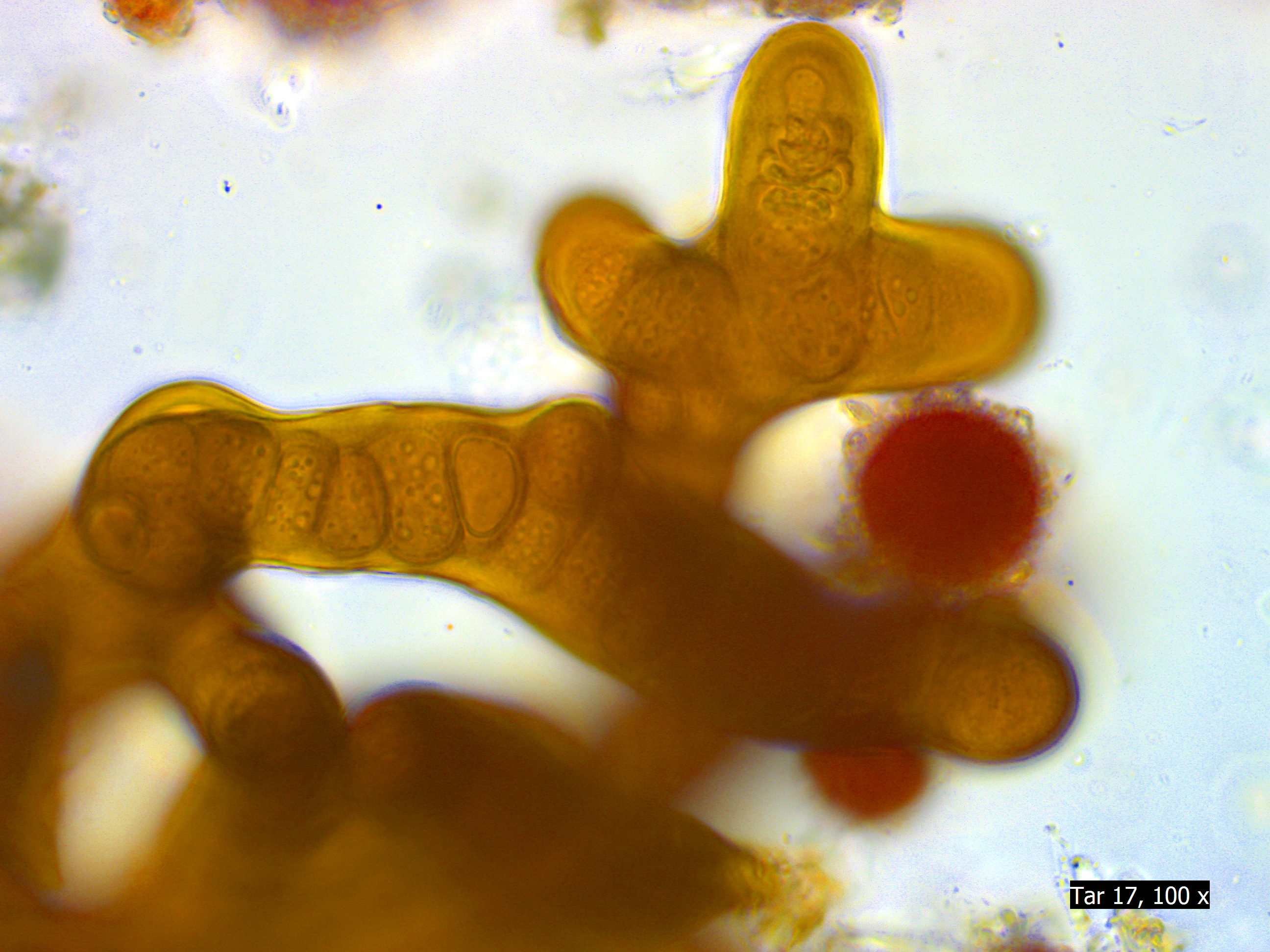
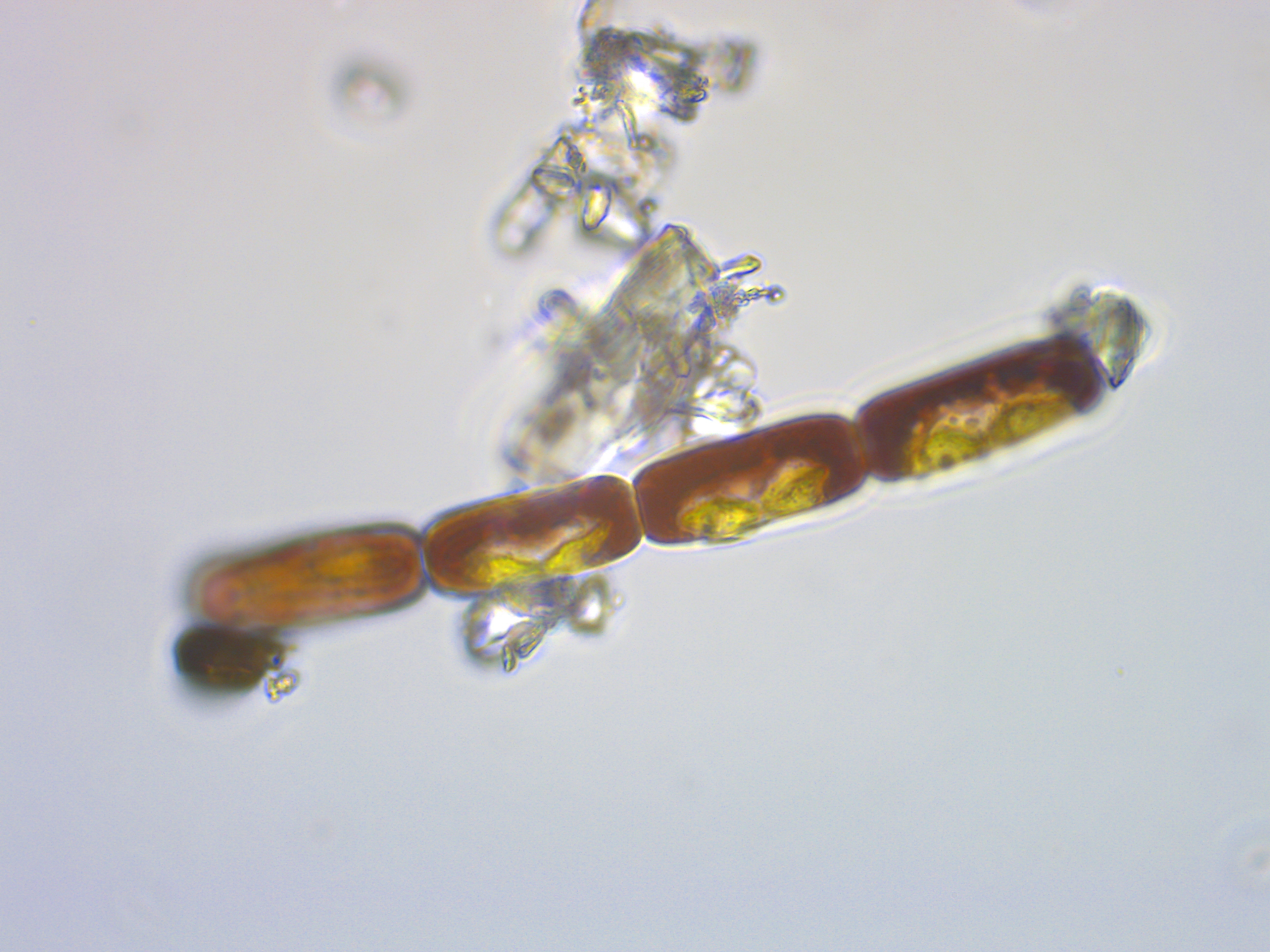
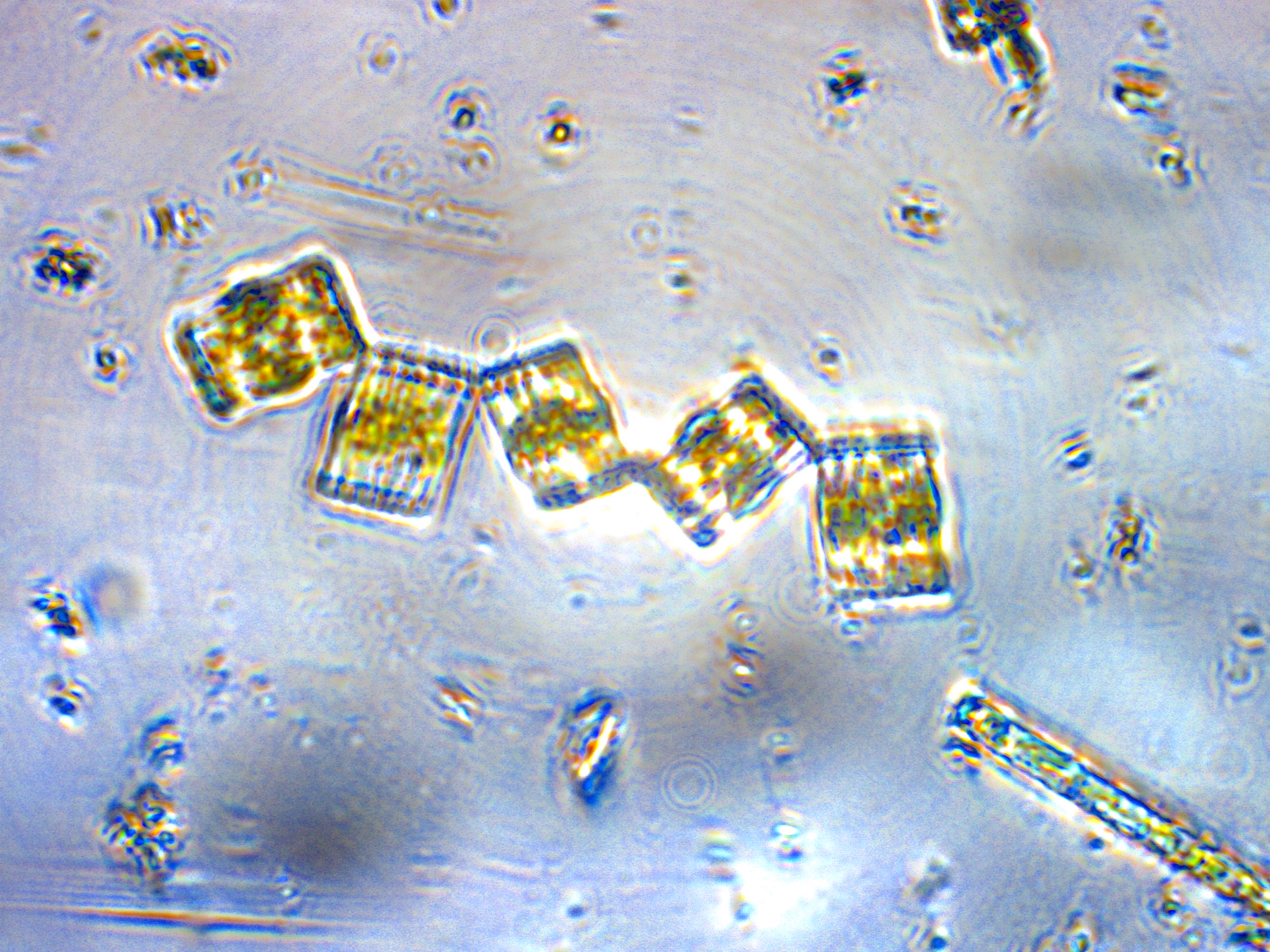
Here at but a few of our microscope pictures that where taken on the stations microscope. Thankfully lots of interesting samples to look at and analyses more in-depth back in Leeds.
 Benjamin J Wilcock
Leave a comment